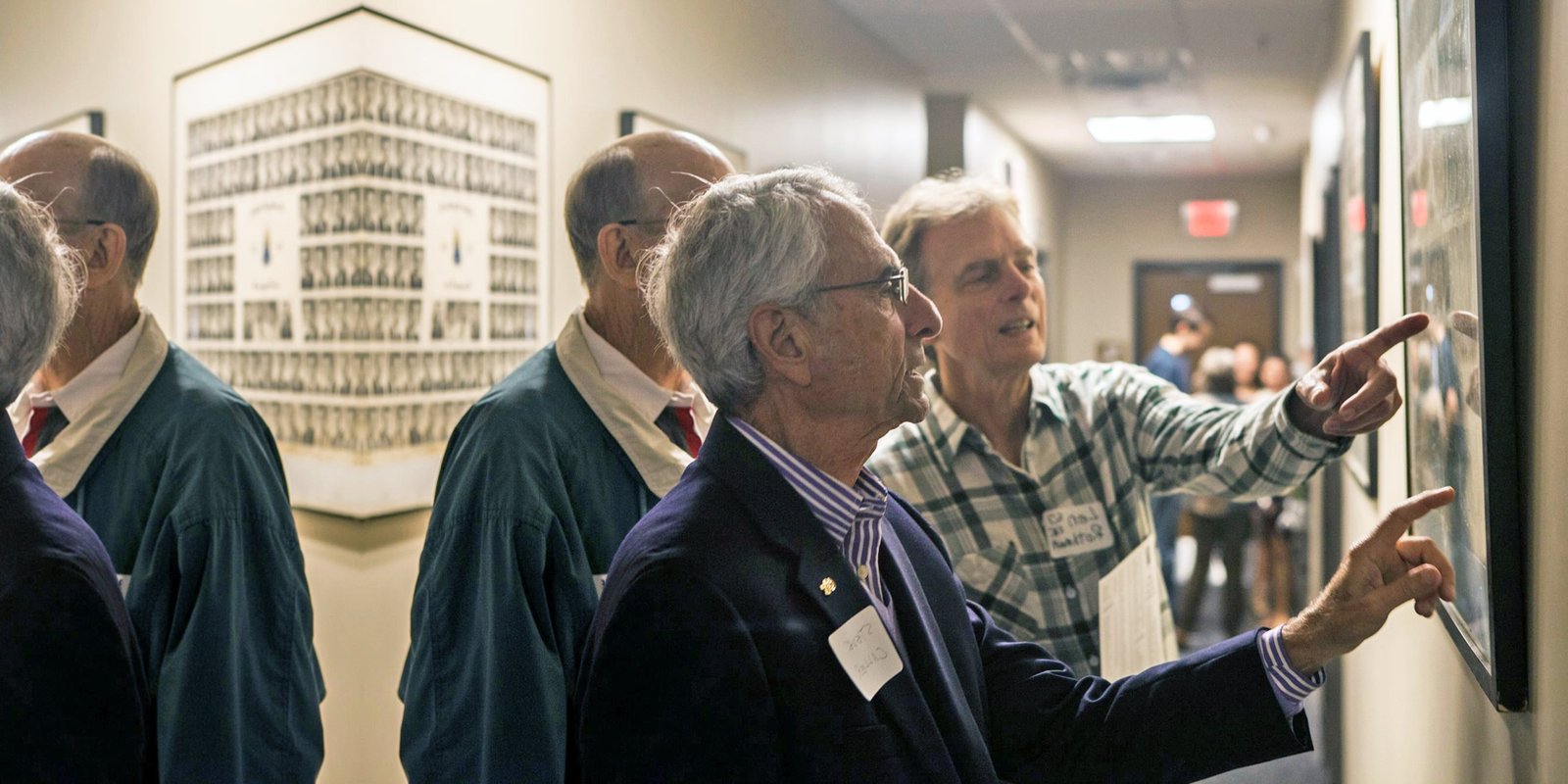
Once-reliable alumni have gone quiet
Engagement falls off years before the giving does. By the time the newsletter goes unopened, the relationship is already gone.

Professional counsel for fraternity & sorority life
A successful campaign starts long before anyone asks for a gift. It starts with alumni who still feel connected. Reliable records that survive every leadership transition. Pennington helps fraternity and sorority leaders turn those pieces into lasting momentum, with experienced counsel built specifically for the challenges you face.
Why people call us
Fundraising is what you see, but what holds a campaign back can run deeper. Chapters come to us with a goal, but progress depends on addressing one of four underlying challenges first.
Engagement falls off years before the giving does. By the time the newsletter goes unopened, the relationship is already gone.
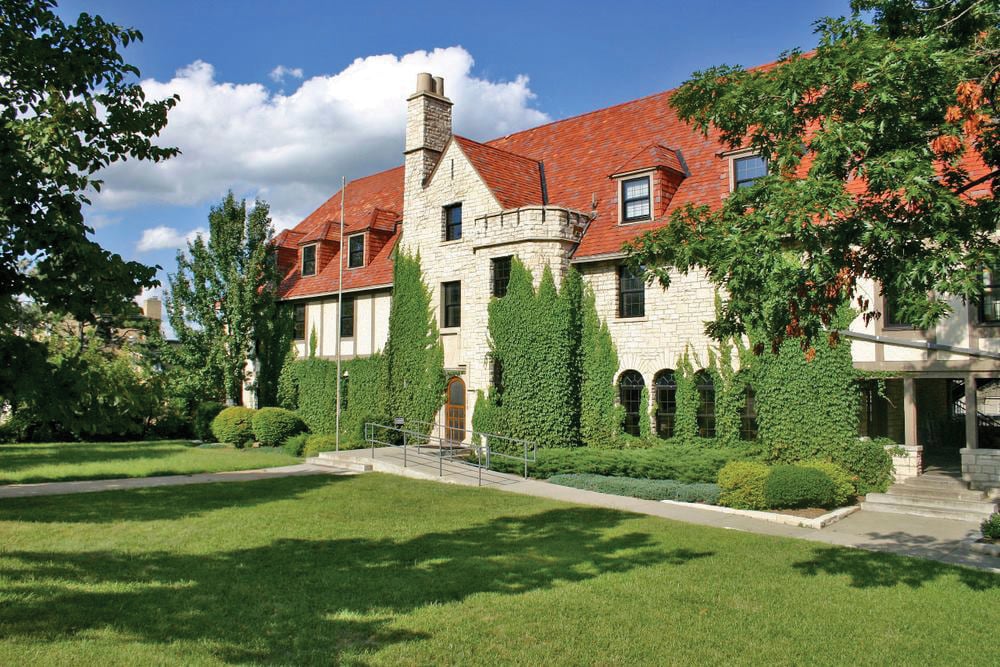
A chapter runs on the people who always say yes, until they stop. Committees that are never recruited or trained do not survive a turnover.
Deferred maintenance becomes a capital project, and a capital project needs a case, a plan, and a goal grounded in something real.
Nobody wants to name a number they are not sure of, so the goal stays hypothetical and the campaign stays on the agenda.
How we help
Alumni may be disengaged, your chapter house may need work, or your next campaign may feel uncertain. Leadership changes can leave you without the tools, records, or direction to move forward.
A feasibility study tests what your alumni base can actually fund before anyone commits to a number. It replaces a goal set from what the project costs with one grounded in what alumni said, and it becomes the plan the campaign then runs on.
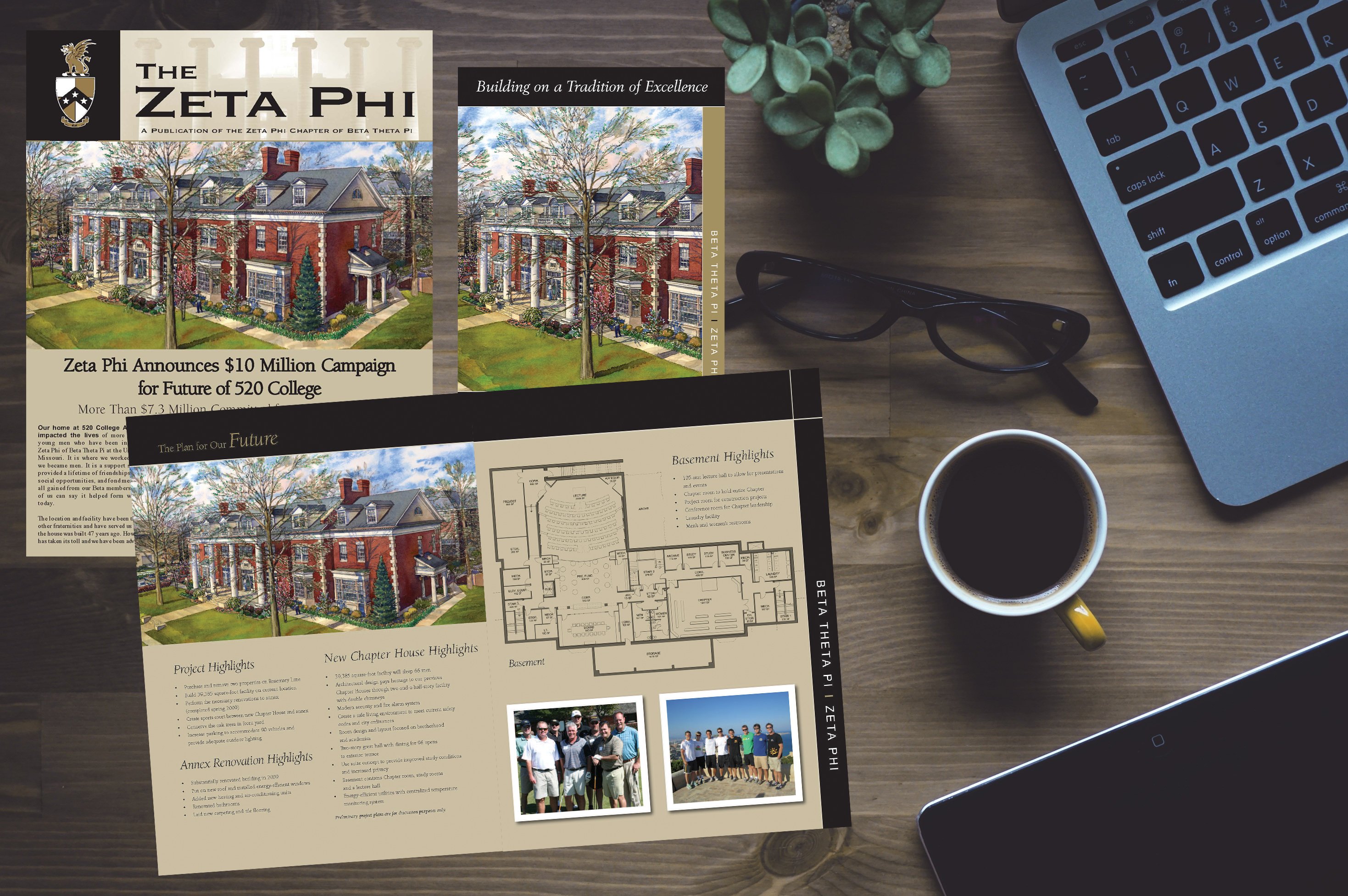
Alumni stop giving long before they say so. They stop opening the newsletter, stop coming to events, and stop answering the phone. The work is rebuilding that relationship in the years when nobody is asking for money.
Alumni cannot give to a chapter they cannot find, and nobody owns the member list. A chapter website and a member database put the record in one place and keep it there through every officer transition.

Campaign spotlight:
The Sigma Chi chapter house
Consulting or In-House
Volunteers run good campaigns; the question was never effort. It is whether a chapter has the time, the data and the practice to do this once every thirty years.
| With Pennington | In-house | |
|---|---|---|
| Knowing what alumni can give | A feasibility study with named prospects, rated and tested before a goal is set. | A goal set from what the project costs, then hope the alumni base supports it. |
| Who asks for the lead gifts | A trained volunteer committee, with us in the room for the largest conversations. | Whoever is willing, which is usually the same two alumni every time. |
| When leadership turns over | The plan and the donor record stay with the chapter, not with one volunteer. | Momentum restarts with each new board. |
| What it asks of your volunteers | Committee meetings, and the asks only they can make. | All of it, on top of jobs and families. |
Every chapter knows a few alumni who can jumpstart a project with an early commitment. But sustaining a capital campaign takes consistent outreach, volunteer coordination, and someone accountable every day for keeping it moving. Volunteers are essential, but careers and families compete for their time. Pennington provides that continuity — managing strategy, maintaining momentum, and driving conversations toward the outcome you want.
The first step for a campaign is a feasibility study to understand what your alumni think and feel about the proposed project and their interest in it. Following the feasibility study, Pennington will help develop a case for support, recruit and train a volunteer committee, partner with this committee for the major gifts phase, and then move into the public phase of the campaign. Construction is the visible part but most of the work happens years before it.
A small number of donors. Around eighty percent of what a campaign raises typically comes from twenty percent of the donors, and the top ten gifts alone often equal about half the total. That is why the study identifies and rates prospects before anyone sets a goal.